Orthodontics
Transverse maxillary deficiency, sagittal jaw relationships, dentoalveolar compensation, and occlusal correction.
Explore the roleOrthodontics, pediatric dentistry, general dentistry, and oral and maxillofacial surgery. Coordinating dentofacial development, occlusion, and orofacial function with the medical assessment of breathing and sleep concerns.
Start airway evaluation (opens in a new tab)Transverse maxillary deficiency, sagittal jaw relationships, dentoalveolar compensation, and occlusal correction.
Explore the roleMixed-dentition development, eruption, oral habits, functional assessment, and pediatric sleep-risk screening.
Explore the roleCaries prevention, periodontal stability, restorative needs, and oral-health monitoring throughout coordinated treatment.
Explore the roleDentofacial skeletal discrepancies, orthognathic evaluation, and surgical planning for appropriately selected patients.
Explore the roleSwipe to explore all four disciplines
ENT, sleep medicine, and therapy providers join the conversation when their expertise is needed.
How our team works togetherTransverse forces can produce skeletal and dentoalveolar change in an appropriately selected patient. The indication, skeletal maturity, anchorage, and periodontal support determine how expansion is planned and assessed.
Read the clinical treatment guideAnatomical illustration. Clinical assessment determines indication and candidacy.
Maxillary width is assessed relative to the mandibular arch, posterior tooth inclination, eruption, and occlusion. A wider dental arch and increased nasal dimensions describe different treatment endpoints.
Read the clinical treatment guideAnatomical illustration. Clinical assessment determines indication and candidacy.
Orthognathic planning examines sagittal, vertical, and transverse skeletal discrepancies. Repositioning the jaws changes the skeletal framework and related soft tissues; sleep outcomes require separate medical assessment.
Read the clinical treatment guideAnatomical illustration. Clinical assessment determines indication and candidacy.
Ankyloglossia assessment connects restricted tongue movement with a documented functional limitation. Feeding, speech, and oral tasks require age-specific evaluation; appearance alone does not establish a surgical indication.
Read the clinical treatment guideAnatomical illustration. Clinical assessment determines indication and candidacy.
The labial frenulum is a normal anatomical structure. Assessment considers tissue tension, gingival health, dentition stage, and persistent diastema. Release requires a specific indication and is not an established sleep-apnea treatment.
Read the clinical treatment guideAnatomical illustration. Clinical assessment determines indication and candidacy.

Breathing, sleep, jaw growth, and oral function belong in the same conversation.
Explore how the palate, jaws, and surrounding tissues shape the space available for healthy function.
Our philosophySelect the patterns you would like to discuss. This count organizes observations; it does not estimate disease risk.
Select any patterns you have noticed.
Selections stay on this page and are not sent to the evaluation tool.
Several signs have more than one possible cause. Discuss concerns with an appropriate clinician.
Explore the signs guide
Expansion can increase nasal airway dimensions in selected patients. Research has also reported changes in enlarged adenoid and tonsil tissues after expansion.
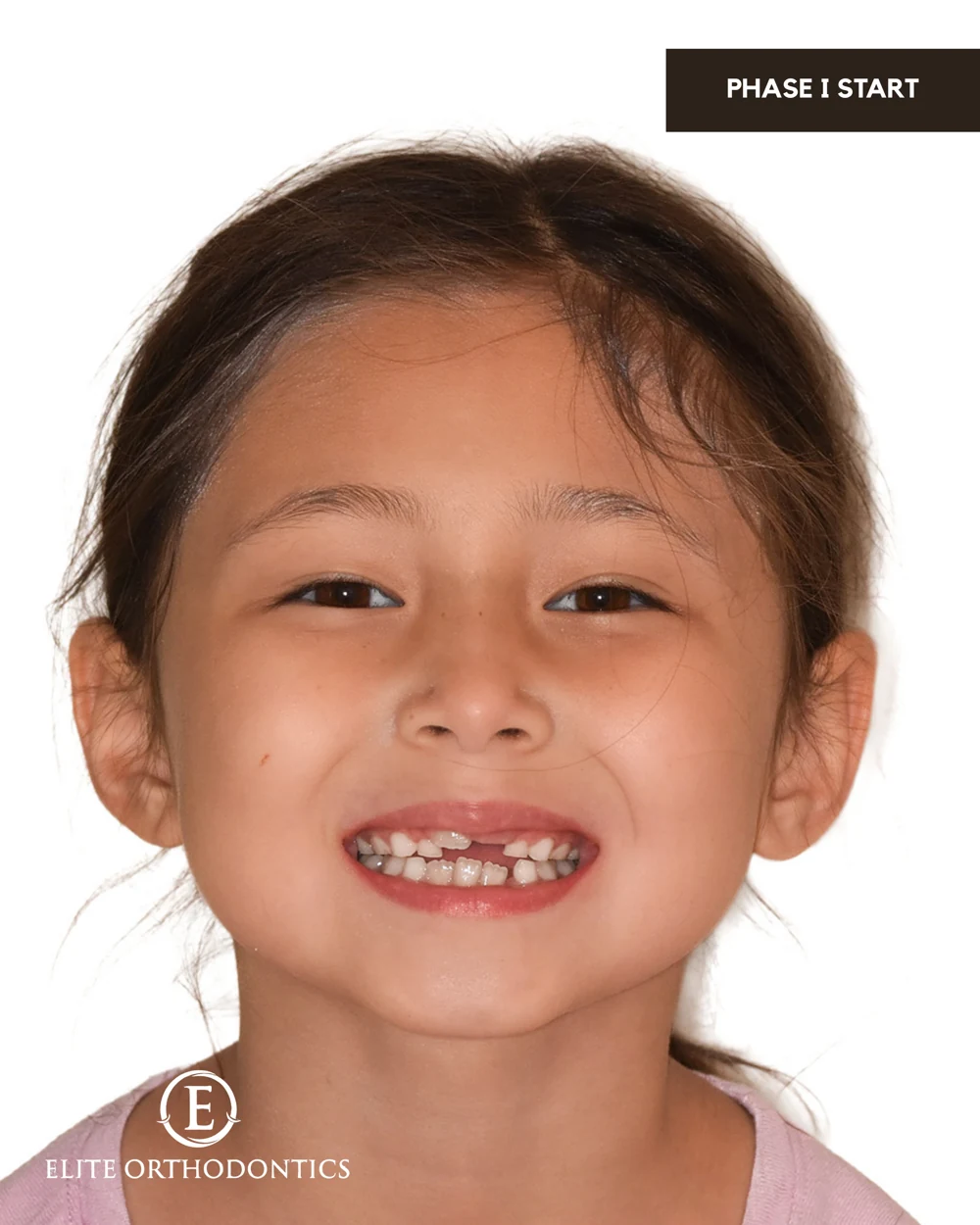
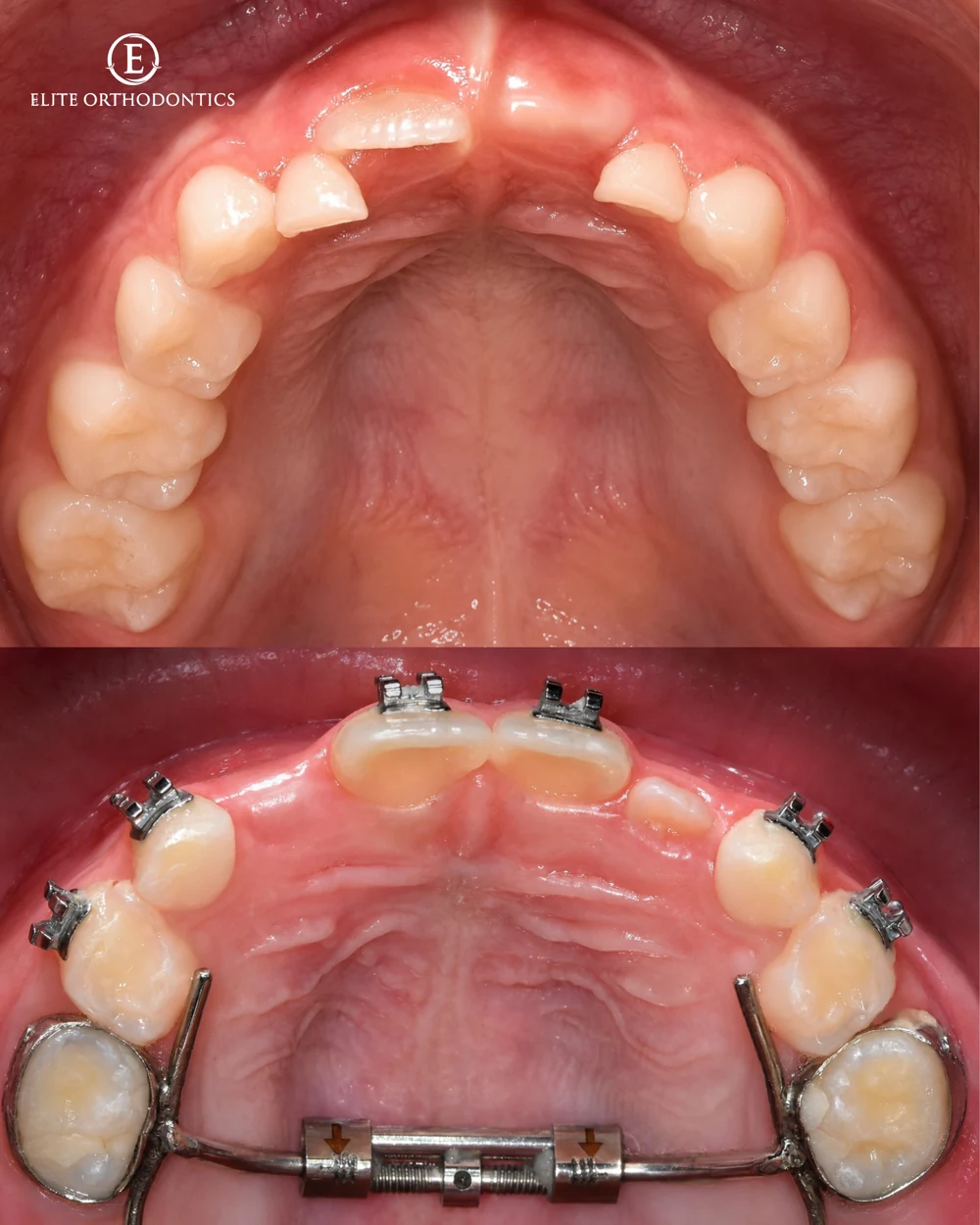
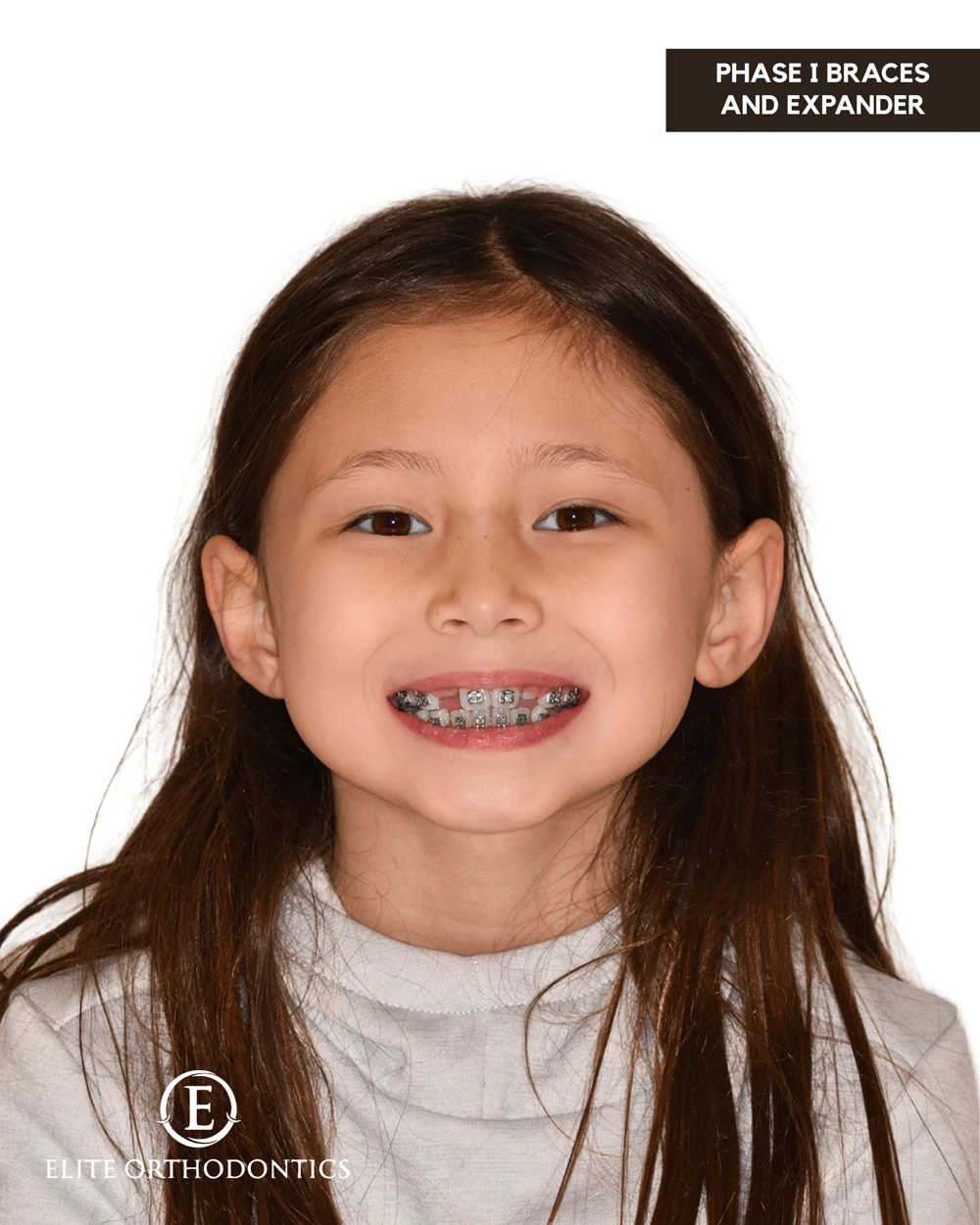
Observed in one 2022 pediatric studyFollow the supplied Phase I sequence exploring crowding, arch development, and palatal expansion.
An individual clinical example. Dental changes do not establish a breathing or sleep outcome. Results and treatment needs vary.
Explore the clinical gallery

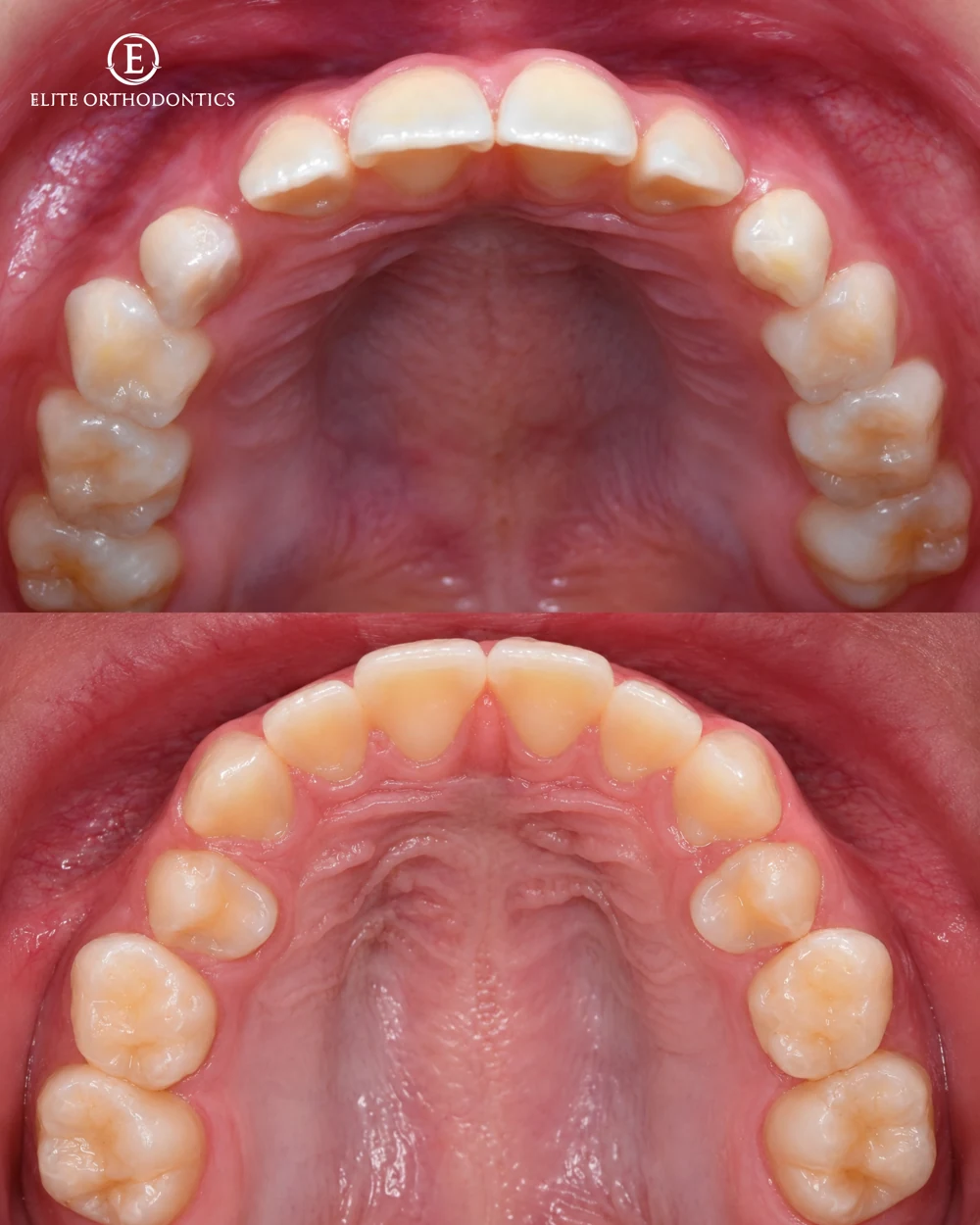

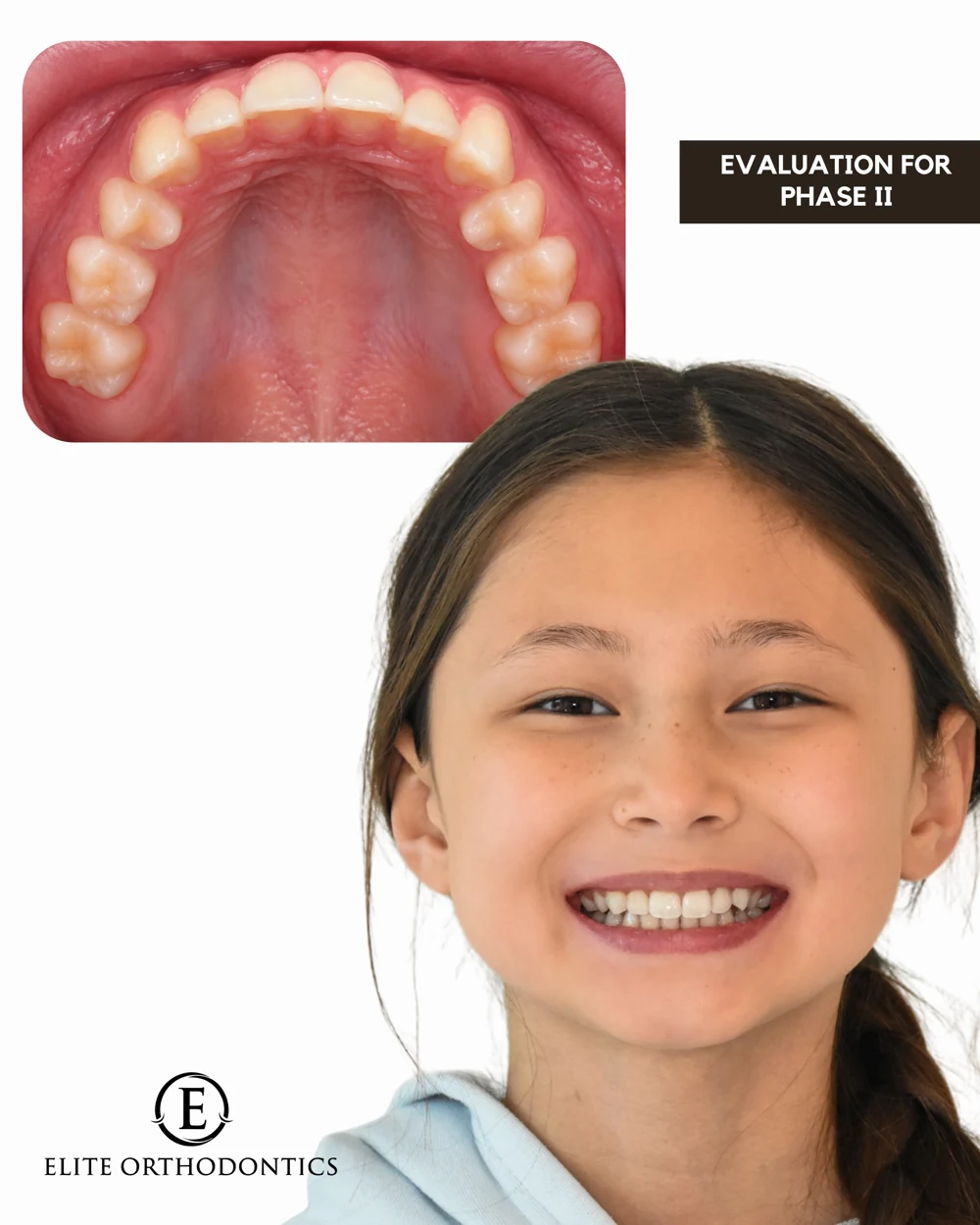
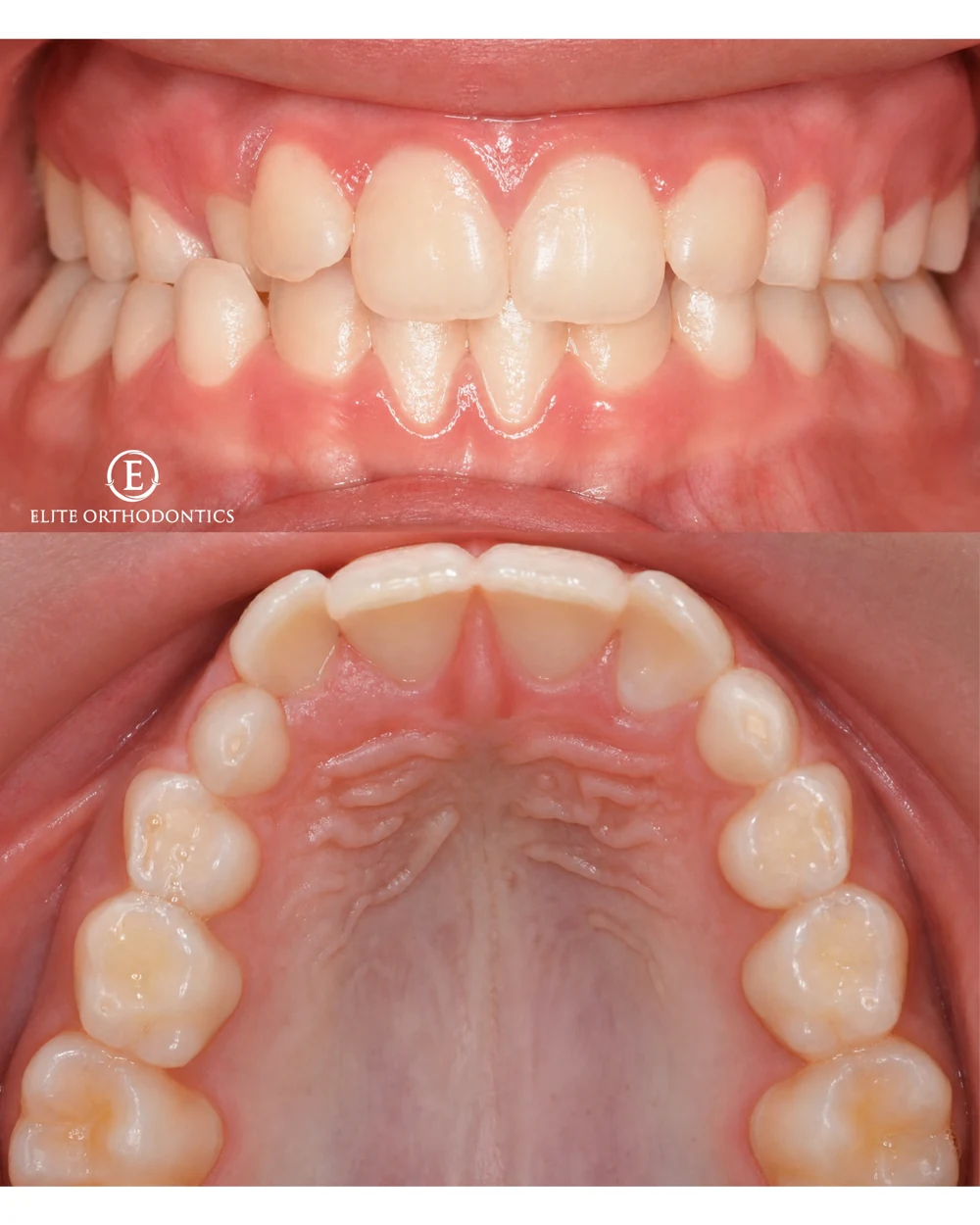
Explore the supplied crossbite sequence and how the upper and lower arches relate through care.
An individual clinical example. Dental changes do not establish a breathing or sleep outcome. Results and treatment needs vary.
Explore the clinical gallery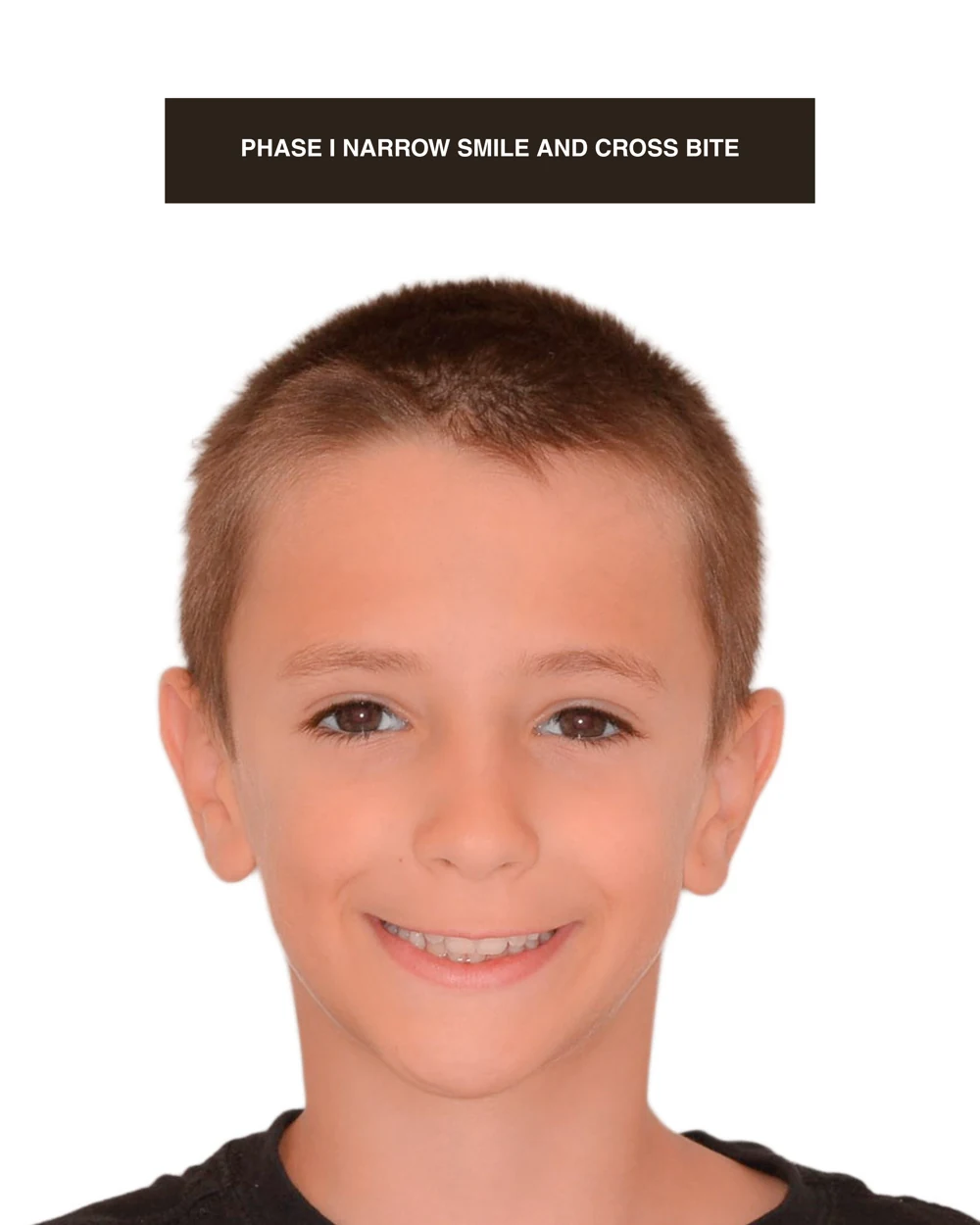
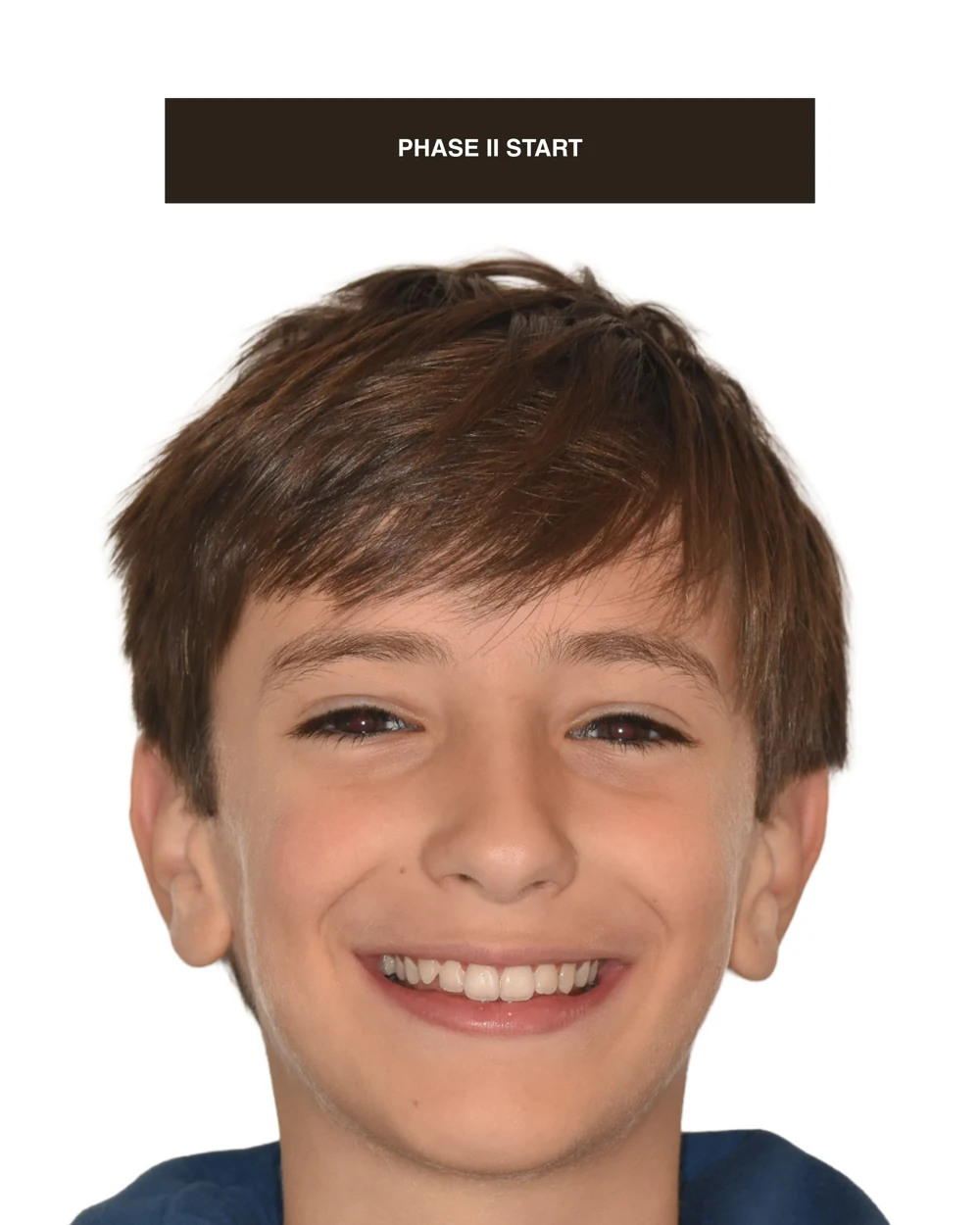
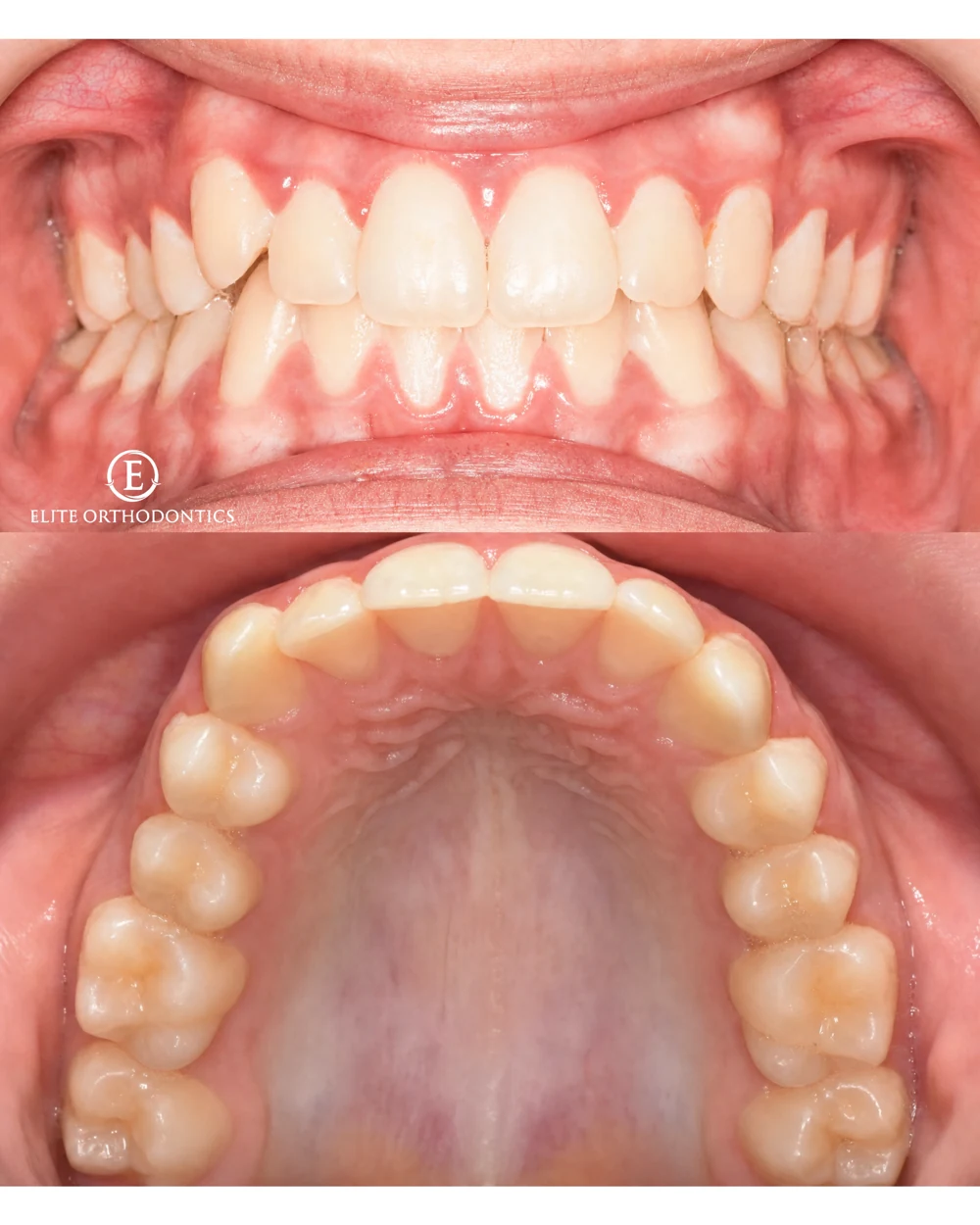

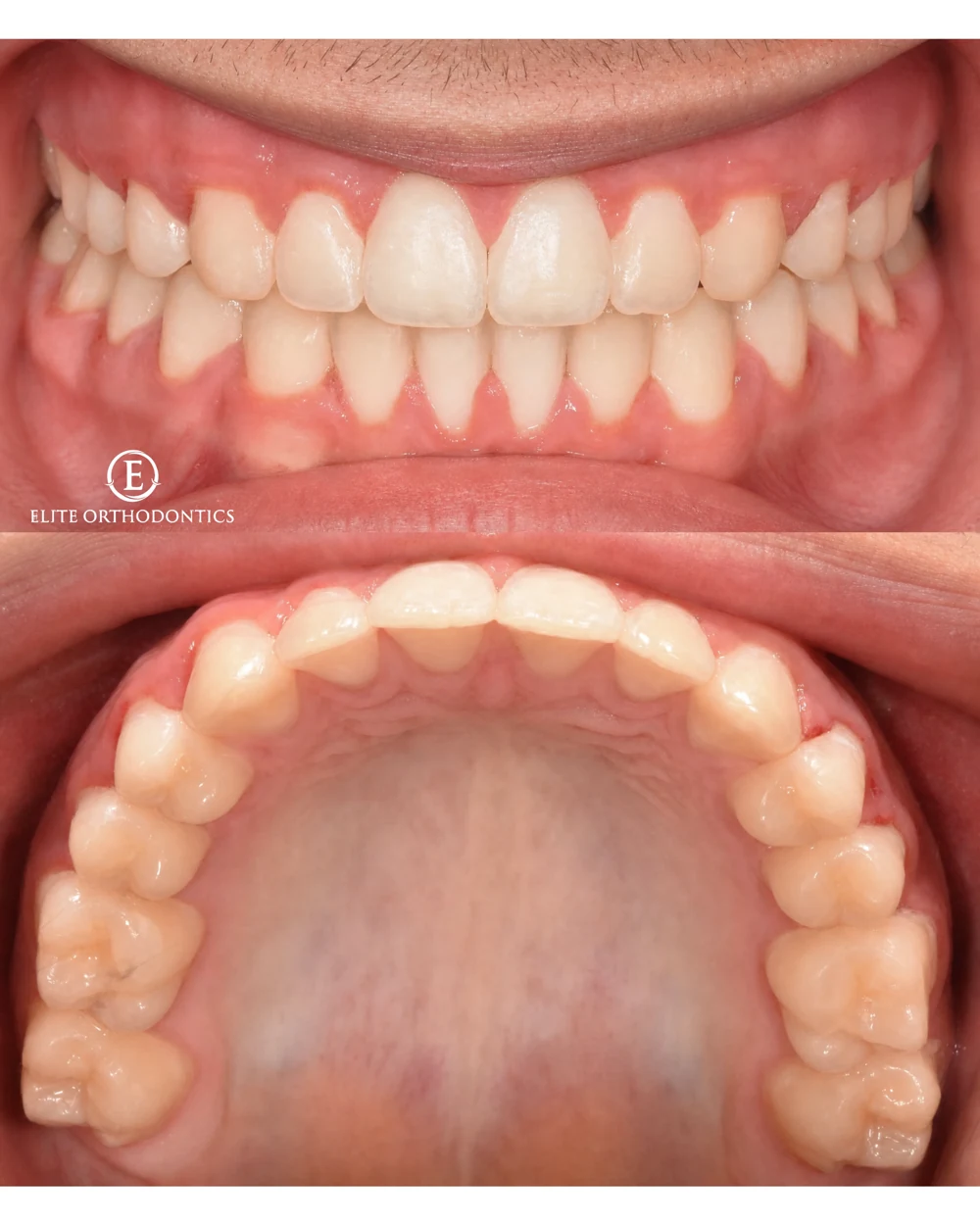
Explore dentofacial anatomy, respiratory physiology, diagnostic distinctions, and clinical evidence through video companions and detailed analysis.

Notice the patterns. Understand what an evaluation can tell you.
Watch & read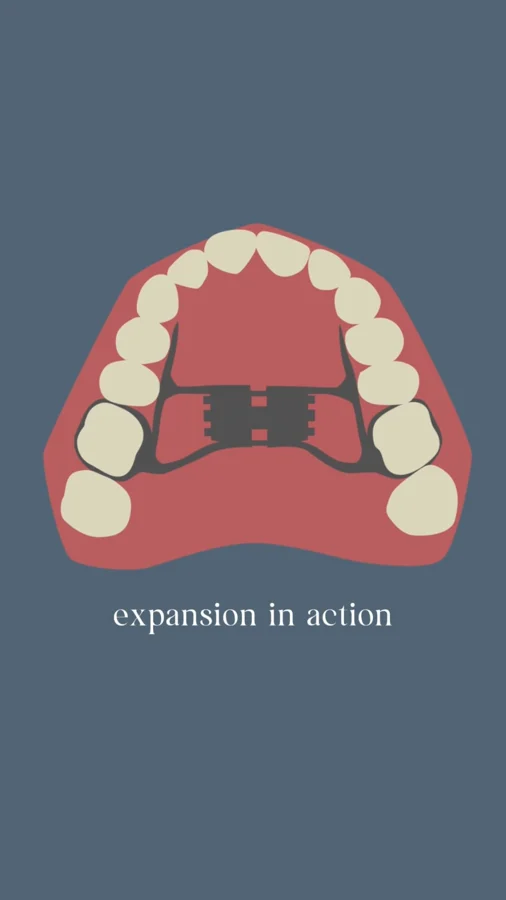
An animation, an anatomy guide, and the questions behind treatment.
Watch & read
Use one patient’s post to prepare for your own treatment conversation.
Watch & readGo deeper into the studies, professional guidelines, and educational resources that inform the airway conversation.
Study populations, methods, and limitations matter. Explore what each finding can—and cannot—tell us.
Imaging changes in selected children with a narrow palate and enlarged tissues; findings do not guarantee a response.
Yoon et al. · Sleep MedicineA review of nasal airflow and resistance. Uncontrolled studies limit certainty about cause and effect.
Calvo-Henriquez et al.A conditional orthodontic option for selected children with persistent sleep apnea; evidence certainty is very low.
American Thoracic SocietyUse the online evaluation to organize what you have noticed about breathing, sleep, oral habits, and development.
A clinical assessment connects your concerns with the palate, jaws, bite, and function. Medical input is included when indicated.
Discuss observation, treatment, or additional evaluation. Each discipline contributes where its expertise is needed.
Planning a visit from DC or Maryland? Explore the Virginia locations and contact the team for care coordination.
Plan your visitBring your breathing, sleep, and development concerns into one conversation. Begin with our online airway evaluation.
Start airway evaluation (opens in a new tab)Educational screening only. An in-person assessment determines diagnosis and treatment options.